
吊
吊 (diào) means “to hang”. It is made of 口 + 巾 and has 6 strokes, and is an old HSK 6 word (HSK 2.0).
Break 吊 into its parts
What 吊 is made of
- 口 kǒu — mouth
- 冂 — frame
- 丨 — vertical stroke
- 一 — horizontal stroke
- 冂 — frame
- 巾 jīn — cloth
- 冂 — frame
- 丨 — vertical stroke
- 丨 — vertical stroke
- 冂 — frame
吊 stroke order
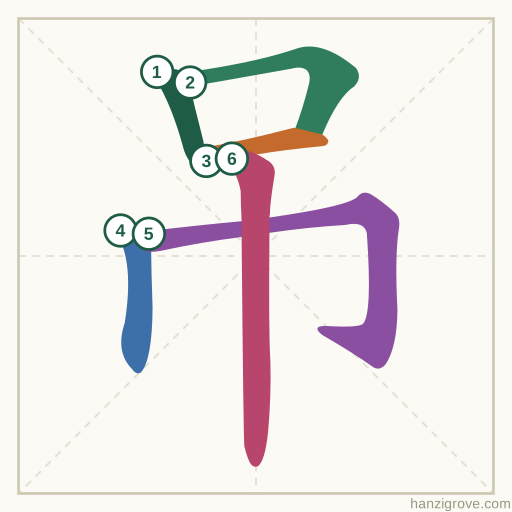
Example sentences
房间中间吊着一个灯。Fángjiān zhōngjiān diào zhe yī gè dēng.A lamp hangs in the middle of the room.
他把篮子吊在树上。Tā bǎ lánzi diào zài shù shàng.He hung the basket from the tree.
Also built with 口
- 中zhōngmiddle
- 享xiǎngto share
- 京jīngcapital
- 亮liàngbright
- 兄xiōngelder brother
- 加jiāto add
- 占zhànto occupy
- 古gǔancient
- 句jùmeasure word for sentences
- 另lìnganother
- 叨dāotalkative
- 只zhǐonly
Quick facts
| Pinyin | diào |
|---|---|
| Meaning | to hang; to suspend |
| Strokes | 6 |
| Pattern | Top–bottom |
| HSK | Old HSK 6 |
Questions about 吊
What does 吊 mean?
吊 (diào) means “to hang; to suspend”.
How many strokes does 吊 have?
吊 has 6 strokes.
What parts make up 吊?
吊 is made of 口 (mouth) and 巾 (cloth).
Which HSK level is 吊?
吊 is in Old HSK 6.
Learn 吊 with its group
It is part of Old HSK 6 · Group 43: a short group with quick checks and spaced repeats.