
Chinese character for freedom: 自由 (zìyóu)
The Chinese word for freedom is 自由 (zìyóu). It means freedom or free, as in 自由自在 (zìyóu zìzài, free and easy). 自 means self and 由 means from or by, so it is acting by oneself.
How 自由 is built
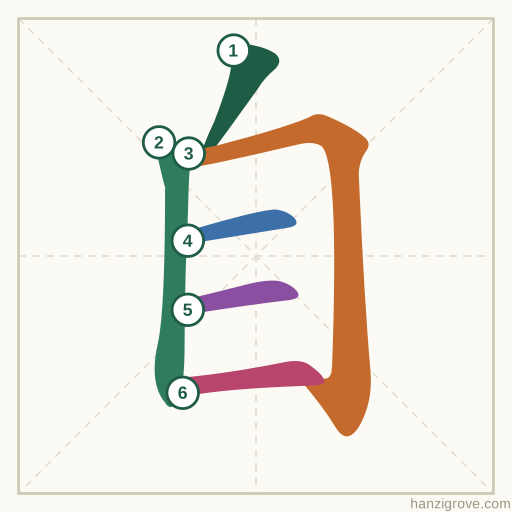
自 (zì) began as a picture of a nose; Chinese people point to their nose to say 'me', so it came to mean self. 由 (yóu) means cause or 'by'; as a memory aid, see a sprout or path coming out of a field 田. Together, 自由 means 'from oneself': doing what you choose. Both characters are written the same in simplified and traditional Chinese.
自 zì · from
- 目mù — eye
- 口kǒu — mouth
- 冂 — frame
- 一 — horizontal stroke
- 二 — two strokes
- 一 — horizontal stroke
- 一 — horizontal stroke
- 口kǒu — mouth
Origin hint: A nose; in China, people refer to themselves by pointing to their noses (from the Make Me a Hanzi dataset; treat as a memory aid where history is uncertain)
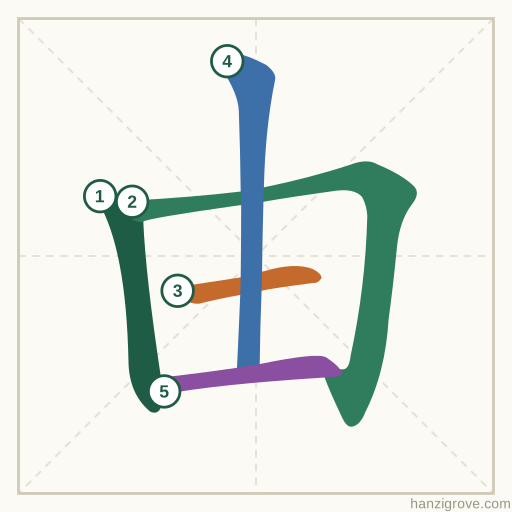
由 yóu · by
由 is not built from smaller parts; it is written with 5 strokes.
Origin hint: Road 丨 leading to the farm 田 (from the Make Me a Hanzi dataset; treat as a memory aid where history is uncertain)
How 自由 is used
Before you use it as a tattoo or design: 自由 is identical in both scripts; 自由自在 adds the feeling of being carefree if you want a longer phrase.
Questions
What is the Chinese character for freedom?
自由 (zìyóu) means “freedom”.
How do you pronounce 自由?
自由 is pronounced zìyóu.