
Chinese character for balance: 平衡 (pínghéng)
The Chinese word for balance is 平衡 (pínghéng). It means balance or equilibrium, physical or in life, as in 保持平衡 (keep your balance). 平 means level and 衡 means to weigh.
How 平衡 is built
平 (píng) shows something flat and level, often explained as a balanced scale. 衡 (héng) contains 行 (road, movement) around 角 (horn) and 大 (big); it originally described a crossbar tied to an ox's horns and later came to mean a weighing beam. As a memory aid, 平衡 is a level beam that weighs both sides evenly. Both characters are the same in simplified and traditional Chinese.
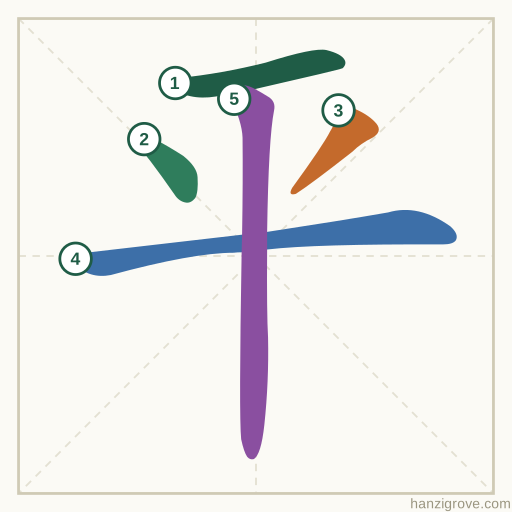
平 píng · flat
- 干gàn — dry (gān)
- 一 — horizontal stroke
- 十 — ten
- 一 — horizontal stroke
- 丨 — vertical stroke
- 丷ha — kwukyel
- 丶 — dot
Origin hint: A leveling scale (from the Make Me a Hanzi dataset; treat as a memory aid where history is uncertain)
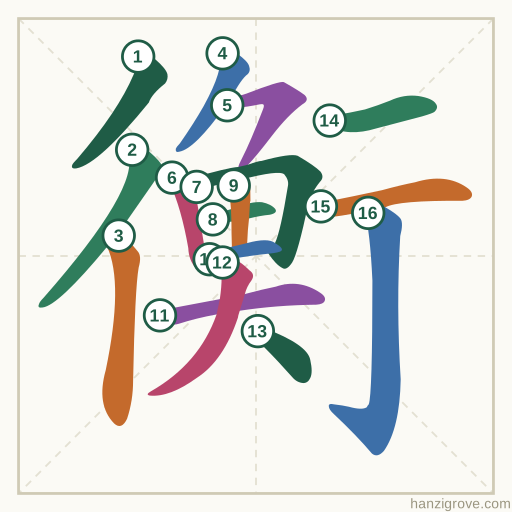
衡 héng · to measure
- 行xíng — to go
- 彳chì — to step with the left foot
- 丨 — vertical stroke
- 亍chù — to take small steps
- 一 — horizontal stroke
- 丁dīng — male adult
- 彳chì — to step with the left foot
- 角jiǎo — angle
- ⺈ — top shape
- 用yòng — to use
- 冂 — frame
- 大dà — big
- 一 — horizontal stroke
- 人rén — person
How 平衡 is used
Other ways to say balance
- 阴阳 yīnyáng — the yin-yang idea of balanced opposites
Before you use it as a tattoo or design: 平衡 is identical in both scripts; for a philosophical sense of balance, some people choose 阴阳 instead.
Questions
What is the Chinese character for balance?
平衡 (pínghéng) means “balance”.
How do you pronounce 平衡?
平衡 is pronounced pínghéng.