
Chinese character for warrior: 战士 (zhànshì)
The Chinese word for warrior is 战士 (zhànshì). It means a fighter or soldier, and also a brave fighter for a cause. 战 means battle and 士 means a man of rank or a soldier.
How 战士 is built
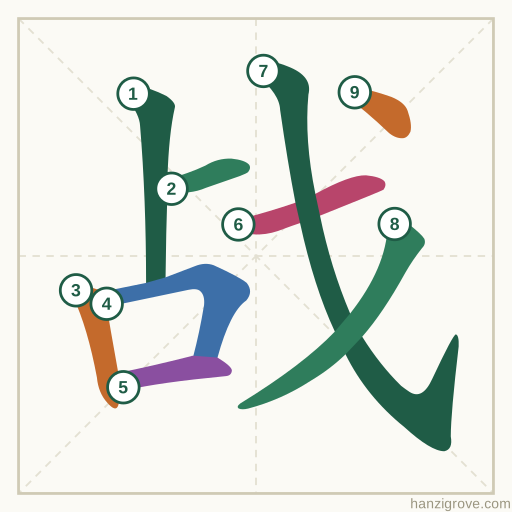
战 (zhàn) joins 占 (zhàn), which gives the sound, with 戈 (gē), an ancient halberd, the weapon that marks it as fighting. The traditional form 戰 uses 單 instead of 占. 士 (shì) was a word for a gentleman, scholar or soldier, and is traced by some scholars to a picture of an axe. Together, 战士 is a fighting man: a warrior. Be careful not to confuse 士 with 土 (earth).
战 zhàn · war
- 占zhàn — to divine
- ⺊ — structural part
- 丨 — vertical stroke
- 口kǒu — mouth
- 冂 — frame
- 一 — horizontal stroke
- ⺊ — structural part
- 戈gē — spear
Origin hint: 戈 gives the meaning, 占 gives the sound. (from the Make Me a Hanzi dataset; treat as a memory aid where history is uncertain)
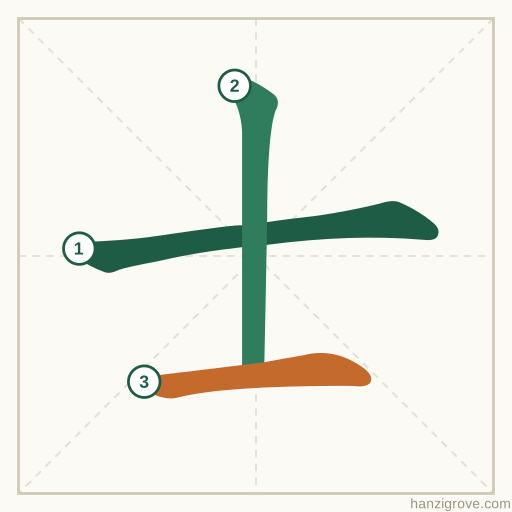
士 shì · scholar
士 is not built from smaller parts; it is written with 3 strokes.
How 战士 is used
Other ways to say warrior
- 勇士 yǒngshì — brave warrior, a hero of courage
- 武士 wǔshì — armed warrior; also the Japanese word for samurai
Before you use it as a tattoo or design: In 战士 the top line of 士 must be longer than the bottom; many people prefer 勇士 (brave warrior) for its sense of courage.
Questions
What is the Chinese character for warrior?
战士 (zhànshì) means “warrior”. In traditional characters it is written 戰士.
How do you pronounce 战士?
战士 is pronounced zhànshì.
Is 战士 simplified or traditional?
战士 is the simplified form used in mainland China and Singapore; 戰士 is the traditional form used in Taiwan and Hong Kong.