
Chinese character for knowledge: 知识 (zhīshi)
The Chinese word for knowledge is 知识 (zhīshi). It means knowledge in general, as in 知识就是力量 (knowledge is power). 知 means to know and 识 means to recognize.
How 知识 is built
知 (zhī) combines 矢 (shǐ, arrow) and 口 (kǒu, mouth); as a memory aid, someone who knows can speak as straight and fast as an arrow. 识 (shí) has the speech radical 讠 and 只 for the sound; the traditional form 識 is more complex, with 言 and 戠. Together, 知识 is knowing and recognizing: the things you have learned. The second syllable is often said in a light tone, zhīshi.
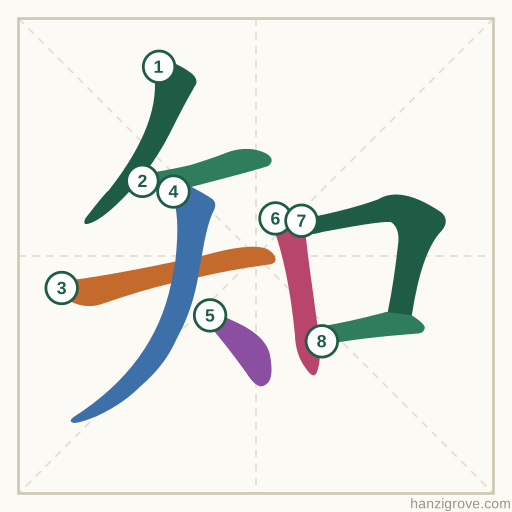
知 zhī · to know
- 矢shǐ — arrow
- 丿 — falling stroke
- 天tiān — day
- 一 — horizontal stroke
- 大dà — big
- 口kǒu — mouth
- 冂 — frame
- 丨 — vertical stroke
- 一 — horizontal stroke
- 冂 — frame
Origin hint: 口 gives the meaning, 矢 gives the sound. (from the Make Me a Hanzi dataset; treat as a memory aid where history is uncertain)
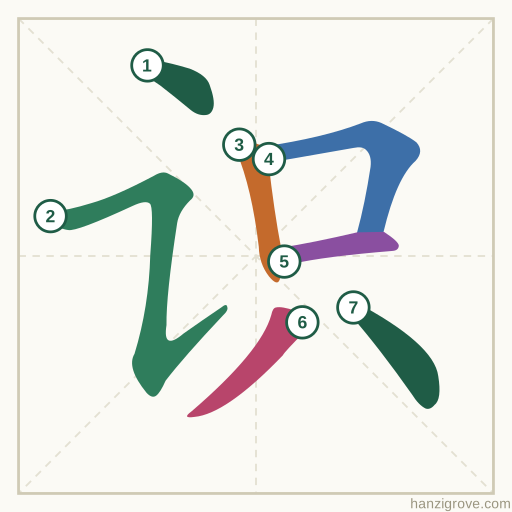
识 shí · to know
- 讠yán — speech
- 只zhī — only
- 口kǒu — mouth
- 冂 — frame
- 一 — horizontal stroke
- 八bā — eight
- 口kǒu — mouth
Origin hint: 讠 gives the meaning, 只 gives the sound. (from the Make Me a Hanzi dataset; treat as a memory aid where history is uncertain)
How 知识 is used
Other ways to say knowledge
- 知 zhī — to know; a single character
- 学问 xuéwen — learning, scholarship
Before you use it as a tattoo or design: Write 知识 (simplified) or 知識 (traditional) without mixing the two forms in one design.
Questions
What is the Chinese character for knowledge?
知识 (zhīshi) means “knowledge”. In traditional characters it is written 知識.
How do you pronounce 知识?
知识 is pronounced zhīshi.
Is 知识 simplified or traditional?
知识 is the simplified form used in mainland China and Singapore; 知識 is the traditional form used in Taiwan and Hong Kong.